
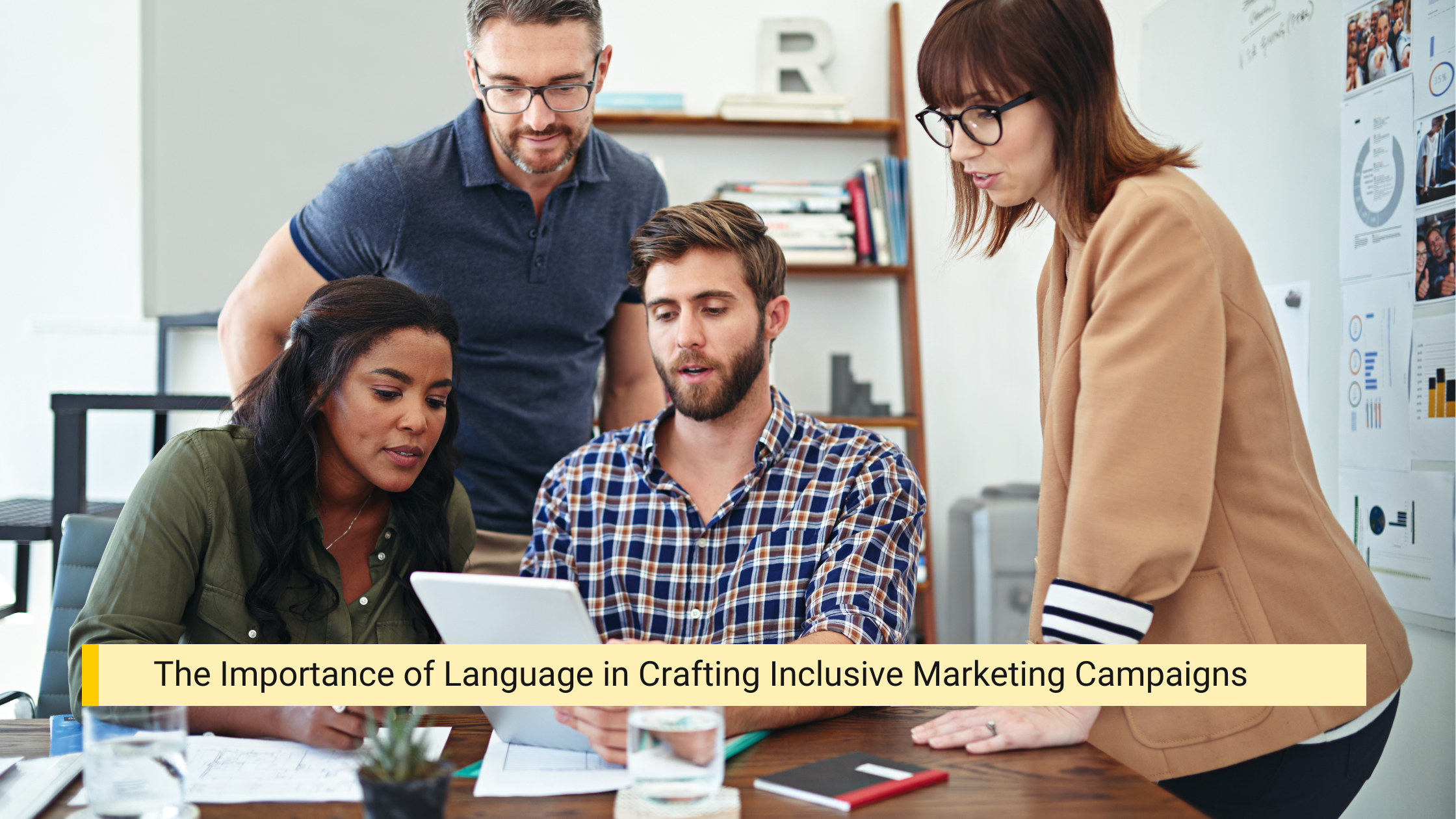
In today’s world, businesses know it’s important to make everyone feel seen and heard. One way to do this is through inclusive marketing campaigns. Language is a powerful tool for this. It helps us communicate and shapes how people feel and connect with each other. For marketers, using the right language is key to making everyone feel welcome.
What is Inclusive Marketing?
Inclusive marketing means creating campaigns that show people from different backgrounds, identities, abilities, and experiences. When done right, it shows that a brand values diversity and cares about all customers, no matter their race, gender, age, disability, sexual orientation, etc.
Why Does Language Matter in Marketing?
Language is a powerful tool for marketers. It’s not just about selling a product—it’s about the emotions and messages words send. Words can include or exclude, respect or offend, welcome or dismiss. Choosing the right language means speaking to everyone, not just a specific group.
How Language Impacts Marketing Campaigns
- Language Shapes Perception: The words you use can change how people see your product.
- Language Builds Connection: Inclusive language helps people feel like they belong.
- Language Promotes Respect and Equality: Using inclusive language means recognizing people’s differences without making anyone feel less important. This builds loyalty and trust with customers.
Tips for Using Language to Create Inclusive Marketing Campaigns
- Avoid Stereotypes: Diversity in race, gender, age, and body type makes everyone feel included.
- Use Gender-Neutral Language: Use words like “they” or “everyone” to include all gender identities.
- Be Mindful of Ableism: Choose words that focus on ability and empowerment.
- Be Culturally Sensitive: Research different cultural groups to make sure your language is inclusive and respectful.
Real-Life Examples of Inclusive Marketing
- Fenty Beauty: Fenty Beauty by Rihanna launched with 40 different shades of foundation, catering to a wide range of skin tones. This inclusive approach reshaped the beauty industry.
- Nike: Nike’s “Dream Crazier” campaign featured female athletes of all ages, races, and abilities, promoting gender equality and empowerment.
- Coca-Cola: Coca-Cola’s “Hilltop” ad from 1971 showed people of different races and backgrounds coming together, promoting unity and diversity.
Language is more than just words—it’s a tool that shapes how people feel and connect. In marketing, the right language can build inclusivity, break down barriers, and create positive relationships between brands and customers. By using the right words, avoiding stereotypes, and showing respect for all people, brands can create campaigns that make everyone feel valued and seen. And in today’s world, that’s a winning strategy for success!